
A guide for building or refurbishing in Sicily
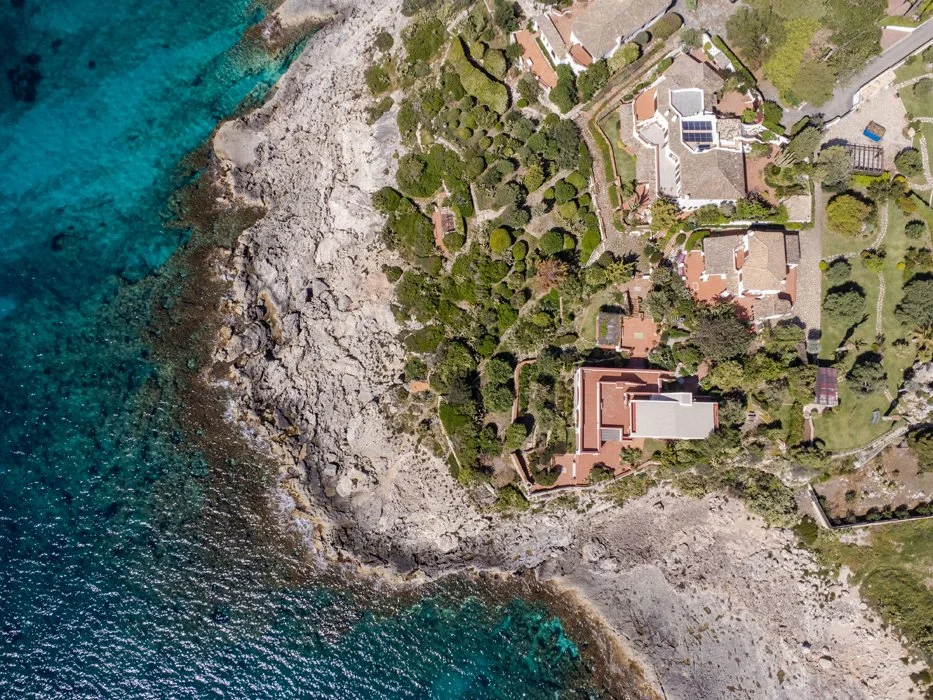
BUILDING A HOUSE OR REFURBISHING A PROPERTY IN SICILY
A clear step-by-step guide
Building a house in Sicily involves a series of administrative, technical and construction steps.
This guide explains the full process in a simple way, using the correct terminology, so you know exactly what to expect.
1. CHECKING IF THE LAND IS BUILDABLE
Before buying or designing anything, you must verify that the land can legally be built on.
This includes:
Zoning regulations (PRG – Piano Regolatore Generale)
Building index (indice di edificabilità)
Landscape restrictions (vincolo paesaggistico)
Archaeological restrictions (vincolo archeologico)
A plot classified as agricultural land does not usually allow a standard residential building, unless specific conditions are met.
This step is essential and should always be carried out by an architect.
2. FEASIBILITY STUDY
Once the land is verified, the next step is a feasibility study (studio di fattibilità).
This defines:
what can be built
how much can be built (square meters and volume)
approximate costs
potential constraints
At this stage, you move from uncertainty to a clear framework.
3. CONCEPT AND PRELIMINARY DESIGN
The architect develops a first proposal, usually called:
Concept Design
Preliminary Project (progetto preliminare)
This includes:
layout and spatial organization
relationship with the landscape and context
initial material and architectural strategy
This phase is where the identity of the house is defined.
4. DEVELOPED DESIGN AND PERMIT APPLICATION
The project is then developed into a more detailed stage:
Progetto definitivo (developed design)
This is the version submitted to the municipality to request the:
Permesso di Costruire (Building Permit)
The application includes:
architectural drawings
technical reports
compliance with urban planning and building regulations
structural and energy strategy
Depending on the type of intervention, different permits apply:
Permesso di Costruire (PdC)
Required for new constructions and major renovationsSCIA (Segnalazione Certificata di Inizio Attività)
For renovations without structural worksCILA (Comunicazione Inizio Lavori Asseverata)
For minor internal worksFree building activity (Edilizia libera)
For small interventions defined by national regulations
5. APPROVAL PROCESS
The municipality reviews the project.
Depending on the location, additional approvals may be required from:
Soprintendenza (Heritage Authority)
Genio civile (Civil Engineering Authority – Seismic Regulations)
Environmental or landscape offices
ASP (Local Health Authority) For hygiene and sanitary compliance
Official timing is around 60 days, but in practice it can take longer, especially in protected areas.
6. EXECUTIVE PROJECT
Once the permit is approved, the architect prepares:
Progetto esecutivo (detailed construction project)
This includes:
construction details
structural drawings
systems (electrical, plumbing, HVAC)
specifications for materials and finishes
This is the document that allows the builder to construct the house accurately.
7. START OF CONSTRUCTION
Before construction begins, a formal notice must be submitted:
Inizio Lavori (Start of Works notification)
During construction:
a Direttore dei Lavori (site supervisor, usually the architect) oversees the process
contractors execute the work
costs and timelines are monitored
8. COMPLETION OF WORKS
At the end of the construction, the following must be filed:
Fine Lavori (End of Works declaration)
This confirms that the building has been completed according to the approved project.
9. HABITABILITY CERTIFICATE
The final step is obtaining:
Certificato di Agibilità (Certificate of Habitability)
This certifies that the building:
complies with safety regulations
meets hygiene and health standards
is suitable for occupation
Only after this step can the house be officially used.
10. COSTS OVERVIEW
Building a house involves a significant investment composed of multiple cost items.
Below is an indicative overview:
Buildable land cost
Professional and design fees
(architect, structural engineer, MEP engineer, geologist, acoustic consultant, etc.)Urbanisation charges and contributions (Bucalossi fees)
Structural construction and finishes
Electrical system
(including home automation if required)Plumbing and sanitary system
Heating, cooling, ventilation (VMC) and photovoltaic systems
Utility connections
(water, electricity, gas, sewage)Site fencing and external works
Security systems
(alarm, surveillance)Final procedures, testing and habitability certificate
Additional costs to always consider
Beyond the main items, we strongly recommend including:
VAT (IVA)
typically 4% for primary residential constructionContingency budget (5–10%)
to cover unforeseen conditions or design adjustments during construction
11. TIMELINE
A realistic timeline is:
Design phase: 1–6 months
Permits: 4–9 months
Construction: 10–18 months
Total: approximately 12 to 24 + months
FINAL CONSIDERATION
Building a house in Sicily is not just a technical process.
It requires:
understanding regulations
careful planning
coordination between multiple actors
When managed properly, it allows for a precise and well-controlled result, both in terms of architecture and investment.